


Why Smart Signage Will Change the Way You Connect with Customers in 2025

Remember when digital signage was just fancy TV screens showing the same loop of promotional videos? Those days are officially over. As we head into 2025, smart signage is becoming the game-changer that'll completely transform how your business connects with customers, and honestly, it's pretty exciting stuff.
At Ink N Stitch, we've been watching this evolution unfold, and we're seeing businesses of all sizes discover that smart signage isn't just about displaying information anymore. It's about creating personalized, interactive experiences that actually engage people and drive real results.
What Makes Signage "Smart" Anyway?
Smart signage goes way beyond your typical digital display. We're talking about signs that think, learn, and adapt in real-time. These systems use artificial intelligence, sensors, and data analytics to deliver the right message to the right person at exactly the right moment.
Think of it like having a super-intelligent sales associate who never takes a break, remembers every customer interaction, and knows exactly what each visitor wants to see before they even ask.
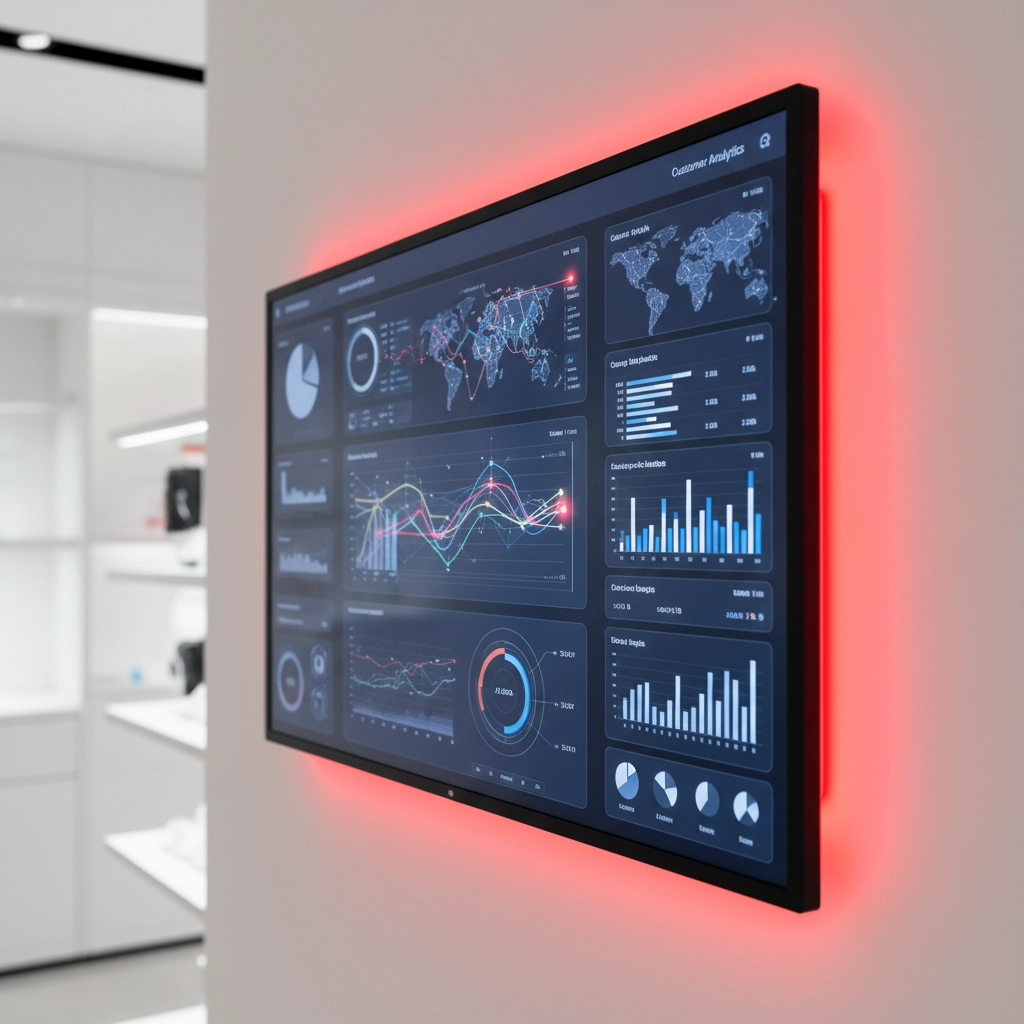
AI-Powered Personalization: Your Sign Gets to Know Your Customers
Here's where things get really interesting. Modern smart signage systems can analyze who's looking at them in real-time. Using embedded cameras and sensors, these displays can assess age ranges, detect mood indicators, and even gauge interest levels: all while respecting privacy boundaries, of course.
Picture this: A customer walks into your retail store, and the display immediately shows products relevant to their demographic. If it's a rainy day, the system automatically promotes umbrellas and rain gear. If someone's been browsing your website for running shoes, the sign can display your latest athletic wear collection when they walk in.
This isn't science fiction: it's happening right now, and it's incredibly effective. Machine learning algorithms continuously improve these interactions by analyzing which content performs best with different customer segments.
Mobile Integration: Bridging Physical and Digital Worlds
Your customers' phones are already an extension of themselves, so why not make your signage work with that reality? Smart signage in 2025 seamlessly integrates with mobile devices, creating multi-channel experiences that extend far beyond the physical display.
QR codes are making a huge comeback (who saw that coming?), but they're just the beginning. Customers can now interact with displays through their smartphones, accessing loyalty programs, receiving personalized offers, or even controlling what appears on the screen based on their location and preferences.
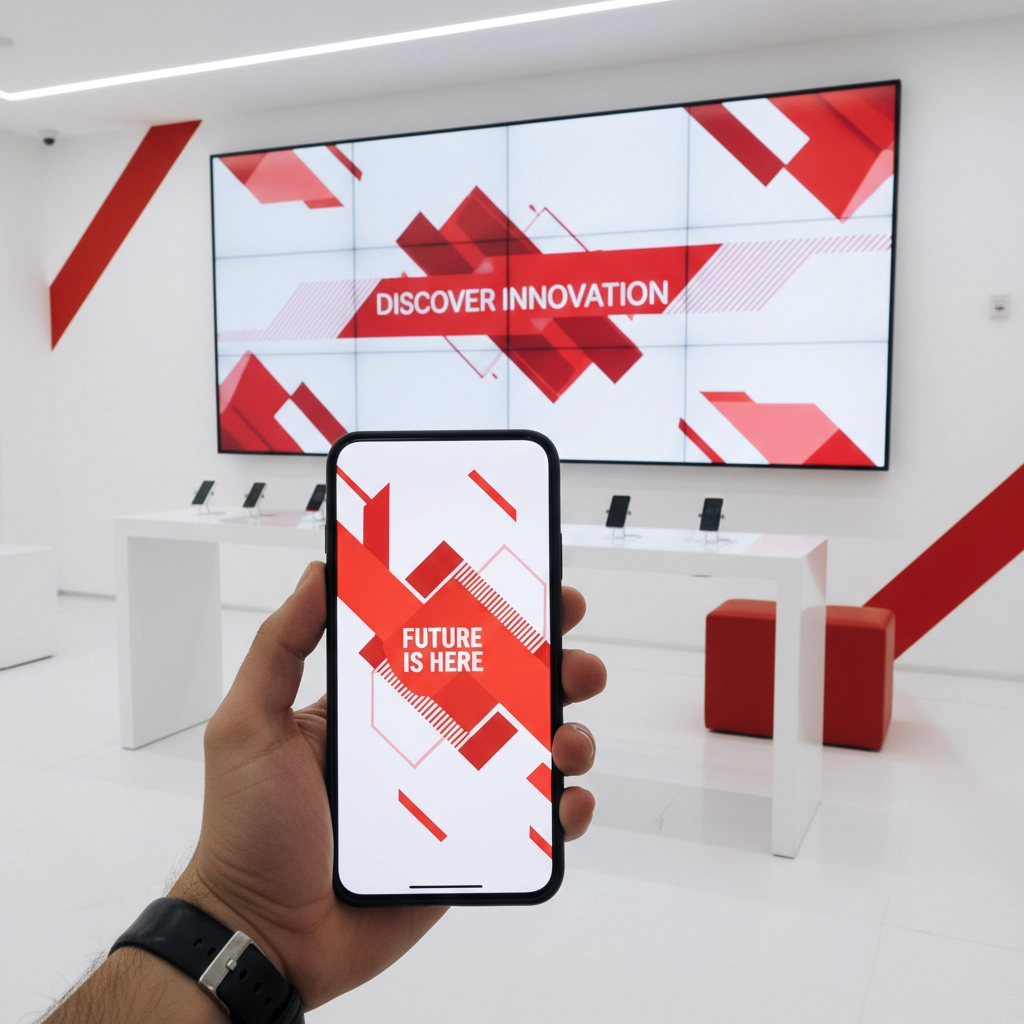
We've seen restaurants use this technology to let customers customize their orders right from their phones while viewing nutritional information and ingredient lists on nearby displays. It's convenience and personalization rolled into one smooth experience.
Content Automation That Actually Makes Sense
Gone are the days of manually updating your signage content every few weeks. Smart systems now handle content automation with scary-good intelligence. These platforms can auto-schedule promotions based on your sales calendar, pull real-time content from social media feeds, and even detect when content isn't performing well and make automatic adjustments.
The best part? These systems learn from your business patterns. They'll suggest optimal times to display certain messages, recommend content based on seasonal trends, and help you maximize engagement rates without you having to micromanage every detail.
For schools and organizations, this means event announcements, schedule changes, and emergency notifications can be updated instantly across all displays from a single dashboard. No more running around campus with paper flyers or hoping everyone checks their email.
Visual Quality That Stops People in Their Tracks
The display technology itself has reached a point where the visual quality is absolutely stunning. Ultra-fine pixel pitch displays and 8K resolution are becoming standard, delivering cinema-quality visuals that make every detail pop: even when customers are standing just a few feet away.
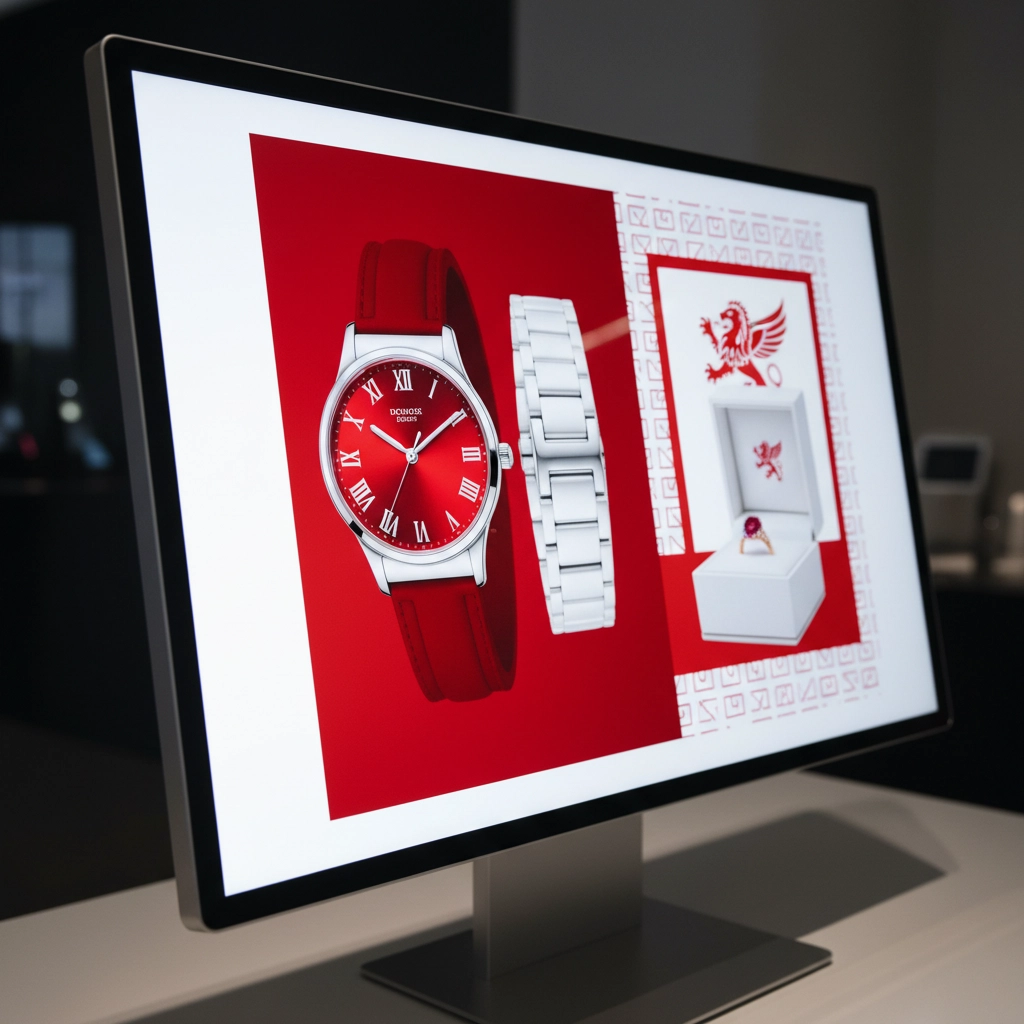
This is especially game-changing for businesses in fashion, luxury retail, and real estate, where visual appeal drives purchasing decisions. When your product images look this crisp and vibrant, they naturally draw more attention and create stronger emotional connections with viewers.
Real-World Applications That Make a Difference
Let's get practical for a minute. How are businesses actually using this technology to connect with customers in meaningful ways?
Retail Stores: Smart mirrors in fitting rooms that suggest complementary items based on what customers are trying on. Digital price tags that update in real-time and show personalized discounts for loyalty program members.
Restaurants: Menu boards that highlight the most popular items during peak hours and automatically adjust pricing based on inventory levels. Tables with built-in displays that let customers browse the full menu, place orders, and even play games while they wait.
Healthcare Facilities: Wayfinding displays that provide turn-by-turn directions to specific appointments, reducing stress and confusion. Check-in systems that recognize returning patients and streamline the registration process.
Corporate Offices: Meeting room displays that show real-time availability and allow employees to book spaces on the spot. Lobby screens that welcome visitors by name and provide personalized directions to their destinations.
Educational Institutions: Interactive displays that let students access course schedules, campus maps, and real-time transportation information. Emergency notification systems that can immediately broadcast critical information across all campus locations.
The Data Advantage: Understanding Your Audience Like Never Before
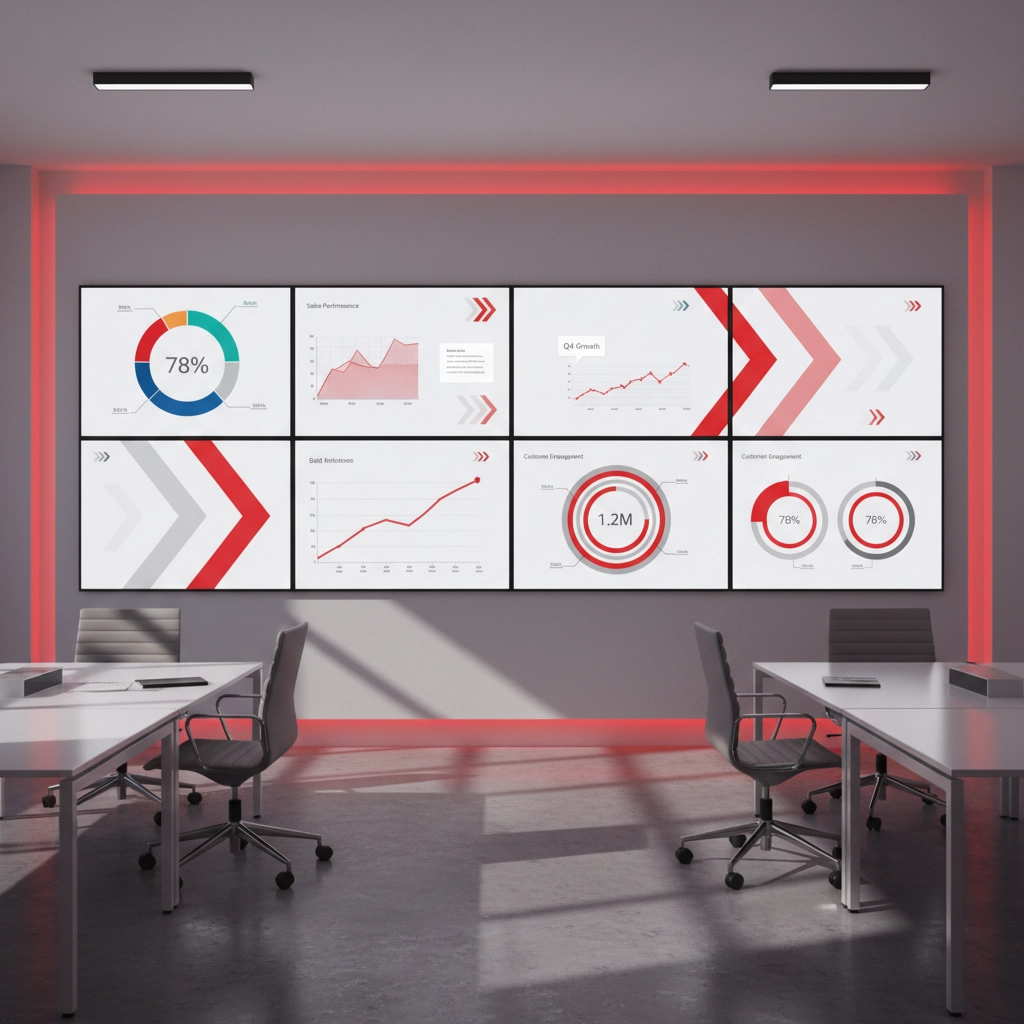
Smart signage doesn't just display content: it collects valuable data about how people interact with your messaging. You'll discover which content performs best at different times of day, how long people typically engage with your displays, and what types of messages drive the most action.
This data-driven approach means you can continuously optimize your communication strategy based on actual customer behavior rather than guesswork. It's like having a focus group running 24/7, providing insights that help you make better business decisions.
Getting Started: It's Easier Than You Think
The best news? You don't need a massive budget or technical expertise to start benefiting from smart signage. Many solutions are designed to be user-friendly and scalable, meaning you can start with one or two displays and expand as you see results.
Whether you're running a small local business, managing a school district, or overseeing multiple corporate locations, there are smart signage solutions that fit your needs and budget. The key is starting with clear goals about what you want to achieve and then choosing technology that supports those objectives.
Why Partner with Experts
While the technology is becoming more accessible, working with experienced professionals can make a huge difference in your results. At Ink N Stitch, we've helped countless businesses navigate the transition from traditional signage to smart, interactive displays. We understand the local market, know which solutions work best for different industries, and can help you avoid common pitfalls.
The signage landscape is evolving rapidly, and staying current with the latest trends and technologies can be challenging when you're focused on running your business. That's where partnering with experts who live and breathe this stuff really pays off.
If you're ready to explore how smart signage could transform your customer connections in 2025, we'd love to chat about your specific needs and goals. Contact us to discuss how we can help you create more engaging, effective customer experiences through intelligent signage solutions.
The future of customer communication is here, and it's smarter, more personal, and more effective than ever before. The question isn't whether smart signage will change how you connect with customers: it's whether you'll be ready to take advantage of these incredible opportunities.
Comments