


Top 10 Sustainable Branding Ideas That Actually Boost Your Company's Image

Updated: Nov 14, 2025
Your company's image isn't just about having a great logo or clever marketing campaigns anymore. Today's consumers are voting with their wallets for brands that genuinely care about the planet. Sustainable branding has shifted from a nice-to-have marketing strategy to an essential business practice that directly impacts your bottom line, customer loyalty, and long-term success.
The good news? You don't need to overhaul your entire operation overnight. Smart sustainable branding starts with thoughtful choices in the promotional products, custom apparel, and signage that represent your brand every day. Let's dive into 10 practical ideas that will elevate your company's image while making a real environmental impact.
1. Choose Eco-Friendly Promotional Products That Tell Your Story
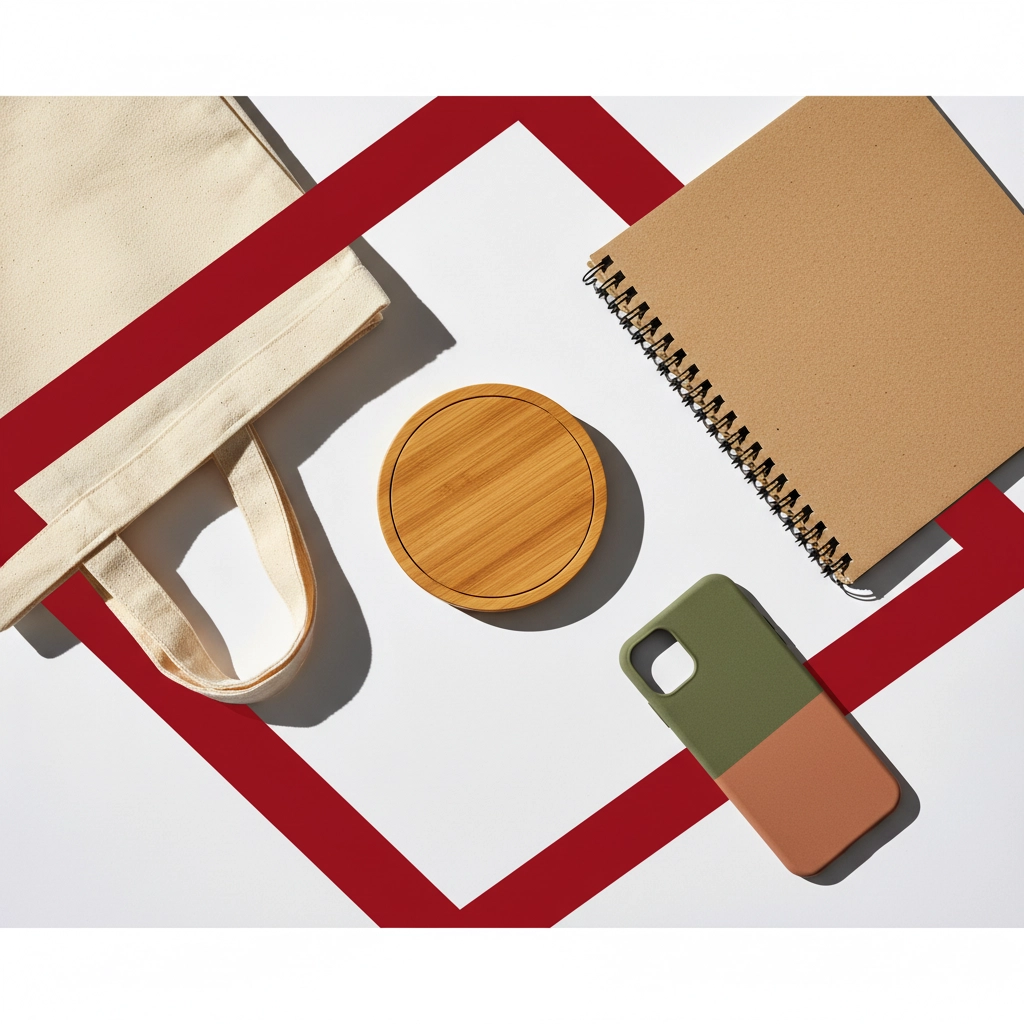
Instead of generic plastic giveaways that end up in landfills, invest in promotional products made from sustainable materials. Bamboo pens, recycled notebooks, organic cotton tote bags, and biodegradable phone cases not only reduce environmental impact but also communicate your values every time someone uses them.
The key is choosing items that align with your brand and actually get used. A high-quality bamboo wireless charger with your logo will sit on someone's desk for years, constantly reinforcing your commitment to sustainability. When customers see these thoughtful choices, they associate your brand with environmental responsibility and quality.
2. Embrace Organic and Recycled Custom Apparel
Your team's uniforms and branded apparel can be powerful sustainability statements. Organic cotton t-shirts, recycled polyester hoodies, and sustainably-sourced materials show that your environmental commitment extends to every detail of your brand presentation.
Companies like Patagonia have proven that consumers will pay premium prices for clothing made from recycled materials – their products use recycled polyester made from plastic bottles. This approach works for any business. When your employees wear custom apparel made from sustainable materials, they become walking ambassadors for your environmental values.
Consider offering your team apparel with clear sustainability credentials. Include tags or labels that explain the eco-friendly materials used. This transparency builds pride among employees and starts conversations with customers about your sustainable practices.
3. Invest in Durable, Long-Lasting Signage Solutions
Sustainable signage isn't just about the materials – it's about creating displays that stand the test of time. High-quality, weather-resistant signs made from recyclable materials like aluminum or sustainably-sourced wood reduce the need for frequent replacements and demonstrate your commitment to quality over quantity.
Smart signage solutions also reduce waste. Digital displays that can be updated remotely eliminate the need for printed materials every time you want to change your message. LED lighting uses significantly less energy than traditional options, reducing your operational footprint while cutting costs.
4. Implement a Repair and Refurbish Program
Take inspiration from Patagonia's "Worn Wear" program and create your own version. Offer to repair or refurbish promotional products you've provided to clients, or create trade-in programs for outdated branded items. This approach extends product lifecycles and reinforces your commitment to sustainability over constant consumption.
For custom apparel, consider offering alteration services or fabric refreshing for branded uniforms. Not only does this reduce waste, but it also strengthens client relationships by providing ongoing value beyond the initial purchase.

5. Source Materials Transparently and Ethically
Make your supply chain part of your brand story. Partner with suppliers who can provide certifications for their sustainable practices, fair labor conditions, and environmental standards. Share this information with your clients – transparency builds trust and differentiates you from competitors who can't make the same claims.
Companies like Starbucks have built customer loyalty by openly sharing their Coffee and Farmer Equity practices program, which ensures ethical treatment of farmers and promotes sustainable farming methods. You can apply the same principle to your promotional products and apparel sourcing.
When you contact us for custom projects, we can provide detailed information about the sustainable sourcing options available for your specific needs.
6. Create Circular Design Solutions
Design promotional products and apparel with their end-of-life in mind. Choose materials that can be easily recycled, composted, or repurposed. Modular designs that can be disassembled and recycled separately show advanced thinking about environmental impact.
Consider creating promotional products that serve multiple purposes or can be easily customized for different uses. A well-designed tote bag, for example, can serve as shopping bag, gym bag, or travel organizer, increasing its usefulness and lifespan.
7. Minimize Packaging and Waste
Innovative packaging solutions can significantly boost your sustainable brand image. Use recycled and recyclable packaging materials, eliminate single-use plastics wherever possible, and design packaging that customers can reuse or easily recycle.
For promotional products, consider packaging that becomes part of the gift – like seed paper packaging that can be planted, or reusable containers that extend the value of your giveaway. These thoughtful touches create memorable experiences that customers associate with your environmental consciousness.

8. Set and Communicate Clear Environmental Goals
Don't just talk about being green – set specific, measurable environmental goals and share your progress publicly. Whether it's reducing waste by 50% within two years or sourcing 100% recycled materials for specific product lines, concrete goals demonstrate serious commitment.
Share these goals on your website, in your marketing materials, and through your promotional products. Progress reports show authenticity and build trust with environmentally conscious customers who appreciate transparency over vague promises.
9. Partner with Environmental Causes
Connect your promotional product strategy with environmental causes that align with your brand values. Donate a percentage of sales to environmental organizations, or create limited edition products that directly support conservation efforts.
Companies like Patagonia donate 1% of their sales to environmental causes through their "1% for the Planet" initiative. This approach appeals to customers who want their purchases to have positive environmental impact beyond just being less harmful.
Consider creating special promotional campaigns where purchasing sustainable branded items directly supports environmental projects. This gives customers a clear reason to choose your eco-friendly options over conventional alternatives.
10. Educate and Engage Your Audience
Use your promotional products, apparel, and signage as educational tools. Include information about the sustainable materials used, care instructions that extend product life, or facts about environmental impact. QR codes on products can link to more detailed information about your sustainability initiatives.
Create engaging content that helps customers understand how to make more sustainable choices in their own lives. This positions your brand as a helpful resource rather than just another company trying to sell products.
The most successful sustainable brands don't just practice environmental responsibility – they make it easy and appealing for their customers to participate in the mission.
Making It Happen: Your Next Steps
Sustainable branding isn't about perfection from day one. It's about making thoughtful choices that align with your values and communicate your commitment to customers, employees, and partners. Start with one or two initiatives that feel authentic to your brand and build from there.
The promotional products, custom apparel, and signage you choose today will represent your brand for months or years to come. Making sustainable choices in these areas creates lasting positive impressions while contributing to real environmental benefits.

Remember, consumers increasingly expect brands to take environmental responsibility seriously. Companies that authentically integrate sustainability into their brand identity see measurable improvements in customer trust, employee engagement, and market positioning. The question isn't whether you can afford to prioritize sustainable branding – it's whether you can afford not to.
Ready to explore sustainable options for your next promotional project? Our team can help you identify eco-friendly alternatives that align with your brand values and budget requirements. From recycled materials to innovative sustainable technologies, we'll work with you to find solutions that boost your company's image while making a positive environmental impact.
Comments